
How to Cure Depression: What Medicine and Science Actually Say
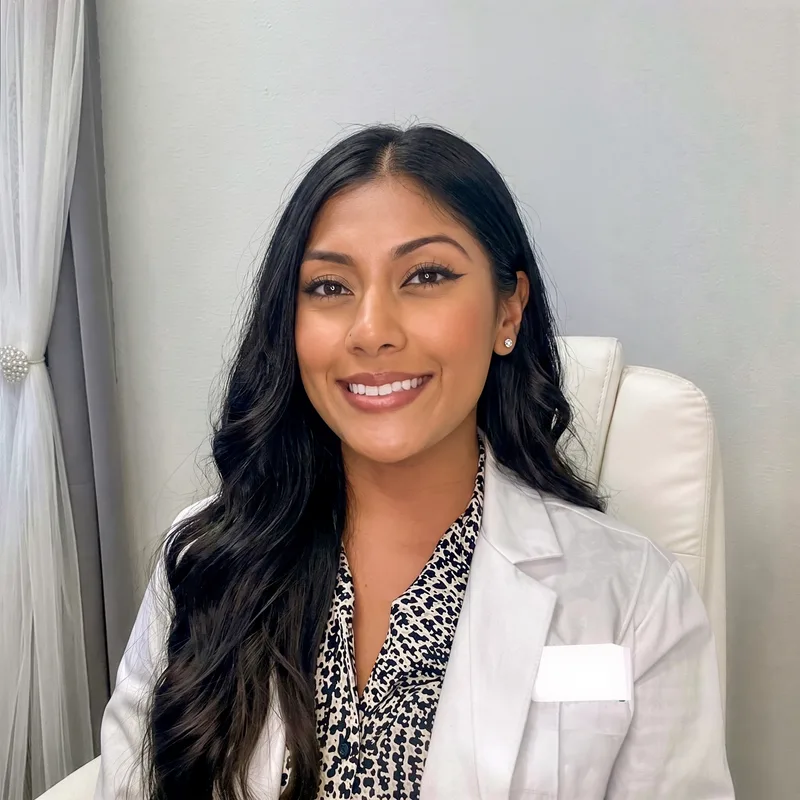
Reviewed byElizabeth Lokenauth, PA-C
Siggy Clinical Team · Last updated June 26, 2026
Key Takeaways
- Depression is not 'cured' in the way a bacterial infection is. The accurate clinical term is remission: no longer meeting the criteria for a depressive episode. Many patients achieve remission and sustain it for years or decades.
- First-line SSRI antidepressants produce a treatment response in 40 to 60 percent of patients, with remission rates on a first SSRI of 30 to 45 percent. Most patients who do not respond to the first medication do respond to a subsequent one, with cumulative response rates approaching 70 to 80 percent across trials.
- The 2023 American College of Physicians guidelines recommend either an SSRI or CBT as equivalent first-line treatments for moderate depression. Combination treatment (medication plus therapy) is recommended for more severe presentations.
- The biggest driver of poor outcomes is treatment dropout. Approximately 44 percent of patients stop antidepressants within three months, most in the window when side effects are still present but therapeutic benefit has not arrived.
- Continuing antidepressants for at least 6 to 9 months after achieving remission on a first episode substantially reduces the risk of relapse compared to stopping treatment immediately after symptoms resolve.
There is a reason the most commonly searched questions about depression include the word ‘cure.’ People want to know if this ends. If the months of feeling this way have a finish line.
The honest answer is not what most people expect. Depression is not cured the way a bacterial infection is. The word ‘remission’ is more accurate. But remission is real, sustained, and achievable for most people who get the right treatment and stay with it long enough to let it work.
What This Page Covers
- Why ‘cure’ is the wrong frame and what remission actually means
- First-line treatment options and what the evidence shows
- Antidepressant response rates and what to expect
- Why treatment adherence is the central clinical problem
- Combination therapy and when it’s indicated
- What remission maintenance requires
- How Siggy approaches long-term depression care
Why ‘Cure’ Is the Wrong Frame
In medicine, ‘cure’ means permanent elimination of a disease with no recurrence risk. Depression doesn’t work that way for most people. Major depressive disorder is characterized by depressed mood or loss of pleasure, alongside specific symptoms present most of the day for at least two weeks, and it recurs in the majority of patients who have one episode.
The more useful question is: can depression go away? Can it stay away? Can I feel like myself again?
The answer to all three is yes, for most people. The clinical term is remission: no longer meeting the criteria for a depressive episode. Remission can last years or decades. For some patients, a single episode followed by adequate treatment and no recurrence is the whole story.
What Treatment for Depression Actually Does
Treatment doesn’t eliminate the underlying vulnerability to depression. It achieves remission by reducing active symptoms and stabilizing the neurobiological processes driving them. Continuing treatment after remission maintains that stability.
Two things happen in successful treatment: active symptoms reduce enough that you no longer meet the criteria for a depressive episode, and the brain returns to a functional baseline that, with maintenance treatment, holds.
Both steps matter. Treating only the acute episode without maintenance is the most common reason depression recurs.
First-Line Treatment Options
Antidepressant Medications (SSRIs and SNRIs)
SSRIs are the first-line pharmacological treatment for depression: sertraline, escitalopram, fluoxetine, and paroxetine are the most commonly prescribed. SNRIs (venlafaxine, duloxetine) are a closely related class with similar first-line evidence.
The response rate following first-line SSRI treatment ranges from 40 to 60 percent, with remission rates on a first SSRI of 30 to 45 percent. This is the starting point, not a ceiling. Most patients who don’t respond to the first medication respond to a subsequent one.
SSRIs require four to six weeks for therapeutic mood benefit to develop. Side effects often peak in weeks one through three, before the mood benefit arrives. This mismatch is the central clinical problem: patients stop during the early window when they feel the costs but not yet the benefit.
Cognitive Behavioral Therapy (CBT)
CBT and interpersonal therapy are the most evidence-based psychotherapies for depression. For mild to moderate depression, CBT is as effective as medication for many patients. It teaches skills to identify and reframe negative thought patterns and break the behavioral cycles that maintain depression.
CBT is not supportive talking. It is structured, skills-based treatment with specific homework between sessions, targeting cognitive and behavioral patterns rather than just processing feelings.
Combination Treatment
The ACP guidelines recommend combination treatment (medication plus CBT) for patients with more severe depression and those who have not had adequate response to monotherapy. Together, they address different maintaining mechanisms and produce better long-term outcomes than either alone.
The Adherence Problem
The biggest obstacle to depression remission is not treatment failure. It is treatment dropout.
Approximately 25 percent of patients stop antidepressants within one month, and 44 percent stop within three months. Most stop during the exact window when the medication hasn’t yet worked but side effects are still present. Stopping at week three is almost always stopping before the medication had a chance to work.
Side effects typically peak and then resolve between weeks one and four. Therapeutic benefit typically arrives after four to six weeks. Patients who stop at week three experience the cost without ever reaching the benefit.
What changes this: monitoring. Someone checking in at week three who can say ‘what you’re experiencing right now is expected, and week six typically looks different’ changes the probability a patient stays with treatment long enough to know whether it works.
Behavioral Activation
One of the most evidence-based components of depression treatment doesn’t require a prescription.
Depression pulls people out of activities that used to bring satisfaction. The withdrawal makes sense when energy is depleted. But behavioral withdrawal is self-reinforcing: removing pleasurable activities removes the behavioral reinforcement that supports mood regulation.
Behavioral activation means re-engaging with activities before you feel like it, not when motivation arrives, but to produce it. The evidence for this approach is strong, and it works independently of medication. Starting small matters more than starting big.
Maintenance: The Step Most People Skip
Achieving remission is the first clinical goal. Sustaining it is the second, and the one most often overlooked.
The risk of recurrence increases with each depressive episode. This is why prescribers generally recommend continuing treatment for at least 6 to 9 months after a first remission, and longer for patients with a history of multiple episodes.
Stopping medication because you feel better is the most common trigger for relapse. Feeling better is often evidence that treatment is working, not that it is no longer needed.
About Siggy
Getting to remission requires more than a prescription. It requires monitoring during the adherence window, real-time adjustment when side effects arise, and clinical guidance through the difficult early weeks.
Siggy provides clinically supervised medication management for depression and anxiety. The anonymous intake is free and requires no login, name, or email. A licensed prescriber reviews your full clinical picture before anything is prescribed. Daily check-ins from week one track how medication is affecting sleep, energy, mood, and side effects in the moment when adjustments actually help.
“The patients I see who don’t get better are almost always the ones who stopped at week three or four,” says Elizabeth Lokenauth, PA-C, of the Siggy clinical team. “The medication didn’t fail them. The system failed them by not checking in at the hardest moment. That window is exactly when having someone in your corner matters most.”
For more on managing depression, read our guides on how to get out of depression, what depression actually is, and how to deal with depression day to day.
Start your anonymous intake at Siggy to connect with a licensed prescriber who will be there with you through the parts that are hardest to do alone.
Mental healthcare should stay with you between appointments.
Siggy combines daily check-ins with clinician-supervised care so your treatment plan can respond to what is actually happening.
Start anonymously. A real doctor reviews every clinical decision. HIPAA-compliant.
Frequently Asked Questions
Can depression be permanently cured?
There is no permanent cure for major depressive disorder in the way antibiotics cure a bacterial infection. However, many patients achieve long-term remission, meaning they live without clinically significant symptoms for years or decades. The goal of treatment is remission followed by sustained stability. For patients who achieve remission and continue maintenance treatment for at least 6 to 9 months after a first episode, relapse rates drop significantly. Some people have a single depressive episode and never relapse; others require ongoing management to stay well.
What is the most effective treatment for depression?
For moderate to severe depression, the most effective approach combines medication and psychotherapy. The 2023 ACP guidelines recommend either an SSRI or CBT as equivalent first-line options for moderate depression, with combination treatment for more severe presentations. No single antidepressant works for every patient, but most people who persist through adequate medication trials eventually find a regimen that produces remission. Cumulative response rates across sequential trials approach 70 to 80 percent.
How long does depression treatment take to work?
SSRIs typically begin showing mood benefit at four to eight weeks at a therapeutic dose. Side effects often peak in weeks one through three, before the therapeutic benefit arrives. This mismatch is the main window during which patients stop prematurely. CBT typically requires eight to twenty sessions for significant symptom reduction. Full remission may take three to six months of consistent treatment. Stopping treatment too early, before the therapeutic window opens, is the most common reason depression appears not to respond.
What if antidepressants stop working or don't work at all?
If a first antidepressant produces no adequate response after 6 to 8 weeks at a therapeutic dose, options include dose optimization, switching to a different SSRI, switching class (SNRI), augmenting with a second medication, or adding CBT. Switching medications after a failed first trial produces remission in roughly 25 to 30 percent of patients who did not respond initially. Persistence across trials significantly increases cumulative response rates.
Is depression a lifelong condition?
For some patients, yes. Major depressive disorder can be recurrent, requiring ongoing management similar to other chronic conditions. For others, it presents as one or two episodes followed by sustained remission. Risk of recurrence increases with each episode: approximately 50 percent after the first, 70 percent after the second, and higher after three or more. This is why maintenance treatment after remission, not just acute treatment, is an important clinical conversation.
Sources
-
National Institute of Mental Health. Depression. NIH Publication No. 24-MH-8079. Revised 2024.
-
Qaseem A, et al. Nonpharmacologic and Pharmacologic Treatments of Adults in the Acute Phase of Major Depressive Disorder. Annals of Internal Medicine. 2023.
-
PMC. Major depressive disorder: Validated treatments and future challenges. World Journal of Clinical Cases. 2021.
-
Agency for Healthcare Research and Quality. Depression Treatment after Unsatisfactory Response to SSRIs. Effective Health Care Program. Accessed June 2026.
-
Dell’Osso B, et al. How to improve adherence to antidepressant treatments in patients with major depression. Annals of General Psychiatry. 2020;19(1):61.
-
Keller MB, et al. Preventing Recurrent Depression: Long-Term Treatment for Major Depressive Disorder. Journal of Clinical Psychiatry. 2007.
-
American Psychiatric Association. What Is Depression? Reviewed April 2024.
-
American Psychological Association. APA Clinical Practice Guideline for the Treatment of Depression. 2019.