
The Future of Mental Healthcare: What AI Can and Can't Do
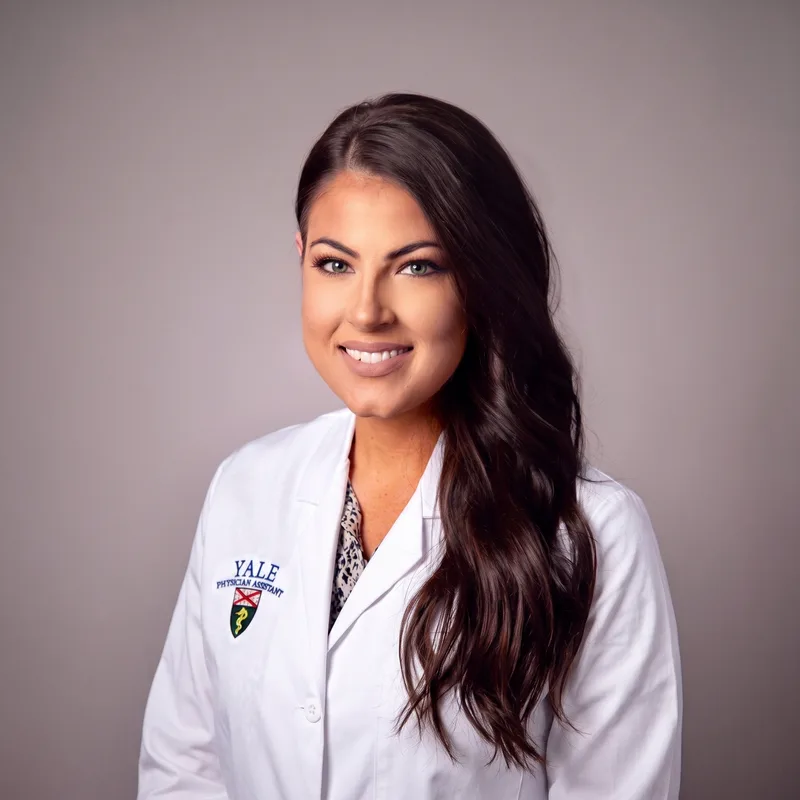
Reviewed byShannon Carres, Psych P.A.
Siggy Clinical Team · Last updated June 23, 2026
Key Takeaways
- More than 54.7% of the estimated 50 million American adults experiencing mental illness each year receive no treatment. AI's most important contribution to mental health care is expanding access, not replacing clinical care.
- AI can do well: structured intake, longitudinal pattern recognition, between-visit support, reducing administrative burden, and lowering stigma barriers. AI cannot do: empathize, prescribe medication, replace clinical judgment, or manage psychiatric crises without human escalation.
- Evidence for AI chatbots as standalone mental health interventions is mixed. Studies show modest benefits for mild presentations in low-acuity populations, with smaller effect sizes than structured psychotherapy and unclear long-term outcomes.
- Real documented harms from unsupervised AI include the 2023 NEDA chatbot incident that gave harmful eating disorder advice, Woebot shutting down in July 2025, and research linking heavy AI chatbot use to increased loneliness and dependence.
- The emerging clinical consensus is a hybrid model: AI handles intake, data collection, and between-visit support while licensed prescribers review and approve every clinical decision before it is acted upon.
The mental health workforce shortage is not a coming problem. It is a present one.
The World Health Organization estimates a global shortage of 4.3 million mental health workers, projected to reach 10 million by 2030 in low- and middle-income countries. More than 122 million Americans live in designated Mental Health Professional Shortage Areas. In 2024, approximately 62 million U.S. adults experienced mental illness, and nearly half received no treatment.
That gap is real and it is not closing fast. Training more psychiatrists takes a decade. So when AI arrived in mental healthcare, the promise was immediate and obvious: scale what human clinicians cannot.
The promise is genuine. So are the limits. And the difference between AI that actually helps people get mental health care and AI that creates the appearance of help while producing harm is not a technical distinction. It is a clinical one.
What This Page Covers
- What the psychiatric access crisis actually looks like in numbers
- What AI in mental healthcare can do well right now
- What AI cannot do, regardless of sophistication
- What the evidence says about AI chatbots for depression and anxiety
- What the right architecture looks like: AI plus licensed clinical oversight
- How to evaluate whether an AI mental health tool is safe and legitimate
- How Siggy approaches this
The Access Problem AI Was Built to Address
The shortfall is structural. More than half of U.S. counties lack a single practicing psychiatrist. The average wait time to see a psychiatrist in many U.S. markets is measured in months. Traditional telepsychiatry expanded access. It did not close the gap.
The use of AI in mental health care has grown significantly over the past decade. In 2015, only about 10% of mental health professionals used AI tools. By 2024, that number had risen to over 60%. What changed is not just tool availability. It is what the tools can now credibly attempt.
What AI in Mental Healthcare Can Do Well
AI has genuine clinical utility in specific, bounded roles. These applications are operating today and backed by evidence.
Structured intake and clinical data collection. AI can conduct a thorough clinical intake that gathers symptom history, PHQ-9 results, prior medication trials, and functional impact data more completely than a 15-minute initial appointment allows. The AI does not diagnose. It organizes information that the human clinician uses to make a more informed decision in less time.
Pattern recognition in longitudinal data. AI systems can process and analyze vast datasets, identify subtle patterns, and generate predictions that might elude human clinicians. Daily mood and symptom data over weeks reveals patterns a quarterly appointment cannot. Sleep disruption preceding a mood episode. Gradual symptom creep before a relapse. These patterns are clinically meaningful, but only a system collecting daily data can surface them.
Reducing administrative burden. AI documentation tools that transcribe encounters, draft notes, and flag incomplete documentation free clinician time for clinical work. AI can facilitate earlier detection, more accurate diagnosis, individualized interventions, and streamlined service delivery.
Expanding access for people who avoid traditional care. Some patients are more comfortable disclosing mental health symptoms to an AI than to another person. No waiting room. No stigma from the first disclosure. Available at 2 a.m. These are not minor advantages. For the patient who would not have called anyone, an AI intake that gets them into the clinical pipeline is a genuine access intervention.
Between-visit contact and support. What we are probably moving toward is a hybrid or blended model of care. Providers would still treat patients and provide therapy, while AI assistants help patients practice skills and give providers real-time feedback. This is the emerging consensus among researchers, clinical organizations, and practitioners who have actually used the technology.
What AI in Mental Healthcare Cannot Do
This is the section most often omitted from promotional material, and that omission has caused real harm.
AI cannot empathize. Some areas of healthcare seem to require a human component that cannot be delegated to AI. In particular, it seems unlikely that AI will ever be able to empathize with a patient, relate to their emotional state, or provide the kind of connection that a human doctor provides. In mental healthcare, the therapeutic alliance between patient and clinician is itself a mechanism of treatment, not a nice-to-have. Studies consistently find it predicts outcomes. AI cannot replicate it.
AI cannot make prescribing decisions. This is not a regulatory limitation awaiting resolution. Prescribing psychiatric medication requires weighing contraindications, monitoring for drug interactions, interpreting ambiguous presentations, and accepting clinical responsibility for a decision that affects a person’s neurochemistry. Every legitimate AI-assisted clinical service requires a licensed prescriber’s review and approval before any treatment plan is acted upon. A system that generates medication recommendations without that review is not a medical system.
AI chatbots have produced inconsistent outcomes in controlled trials. Studies of AI chatbots for treating depression, anxiety, and stress have had inconsistent results. One 2024 study found AI chatbots helped temporarily reduce depression and anxiety symptoms. Another 2024 study found short-term chatbot interventions did not reduce stress or improve well-being. This is not a story of universal failure. It is a story of tools that work in some contexts and fail in others, in ways not yet well enough characterized to know when each applies.
AI tools have caused documented harm when deployed without clinical oversight. In 2023, the National Eating Disorder Association removed its AI chatbot after it gave harmful advice about eating disorders. In July 2025, Woebot, one of the most research-backed mental health chatbots in existence, shut down. A joint study by OpenAI and the MIT Media Lab found a correlation between heavy AI chatbot use and increased loneliness and dependence. These are documented events in a field that is still discovering where its tools work and where they fail.
AI cannot handle psychiatric crises as a standalone tool. An acute psychiatric crisis requires immediate human clinical response. Any AI mental health application without clear crisis escalation protocols and immediate human clinician access is not built to the standard these situations require.
What the Evidence Says About AI Chatbots
The most studied AI tools in mental healthcare are chatbots. The findings are worth understanding clearly.
In a 2018 review of AI chatbots for mental health, only 10 studies were identified. Today, the literature includes hundreds of studies. This substantial growth parallels reports of millions of people using these tools for emotional support. The field has grown faster than the research validating it.
Most research on AI chatbots shows modest benefits for mild to moderate anxiety and depression in low-acuity populations. Effect sizes are smaller than those for structured psychotherapy. Long-term outcomes are not well-studied. The populations most likely to be helped are those with the mildest presentations and least access to care, which is meaningful but does not support claims that AI chatbots are equivalent to evidence-based treatment.
While AI technology will continue to improve, those advances alone are not enough to move AI from mental wellness to psychiatric tools. A new generation of clinical investigation, integration, and leadership will unlock the full value of AI. The researchers most active in this space are not saying AI is not useful. They are saying standalone AI tools and licensed clinical care are different things, and the gap between them matters.
How to Evaluate an AI Mental Health Tool
If you are considering an AI-assisted mental health service, these questions matter:
Does every clinical decision require a licensed prescriber’s review and approval? If an AI recommends medication without explicit clinician approval, it is not a clinical service.
What happens in a crisis? Clear, immediate escalation to a licensed human clinician and 911 language must exist at every point where an acute safety situation could emerge.
Is it HIPAA-compliant? Verify explicitly. Not all apps that discuss mental health meet HIPAA standards.
Does the AI escalate when it should? The best AI systems are designed to surface complexity to human clinicians, not improvise outside their validated scope.
What is the oversight model? Who reviews clinical decisions? What is the clinician-to-patient ratio? What clinical evidence supports the tool?
The Right Architecture: AI Plus Clinical Oversight
The evidence points clearly toward one model: AI handles what it does well, and human clinicians handle what requires human clinical judgment. Neither alone is the answer.
AI outperforms human clinicians at scale, 24/7 availability, consistency, and data integration. Human clinicians outperform AI at empathy, clinical judgment in ambiguous situations, prescribing, and therapeutic relationship, and will continue to for the foreseeable future.
The future is moving toward a hybrid or blended model. Providers would still treat patients and provide therapy, while AI assistants help patients practice skills and give providers real-time feedback. John Torous, director of digital psychiatry at Beth Israel Deaconess Medical Center, believes AI will transform mental health care for the better. He also believes clinical communities need to be involved in developing these tools, not just deploying them after the fact.
About Siggy
Siggy is built around the architecture the evidence supports. The AI conducts a thorough clinical intake, administers validated screening tools, and organizes the complete clinical picture. The licensed prescriber reviews everything, including the full intake transcript, PHQ-9 results, prior treatment history, and clinical considerations, before approving any treatment plan. Nothing moves forward without that human review.
After treatment begins, daily check-ins capture how medication is actually affecting the patient between appointments. That data reaches the clinical team continuously, not at a quarterly appointment. Side effects get caught in days. Dose adjustments happen when they are still timely.
This is not AI replacing clinical care. It is AI making clinical care more accurate, more continuous, and accessible to people who would otherwise wait months or never go at all.
“The question I get asked most is whether AI is going to replace psychiatrists,” says Shannon Carres, Psych P.A., of the Siggy clinical team. “The answer is no. What I see is AI making it possible for me to know what is actually happening with a patient every day, not just when they sit down across from me. The AI is doing things I cannot do at scale. I am doing things the AI cannot do at all. That is the right division of labor.”
For more on how Siggy’s clinical model works, read our guide on what clinically supervised care actually means. To start your anonymous intake with a licensed prescriber, begin here.
The Bottom Line
AI in mental healthcare is neither the salvation its most enthusiastic proponents describe nor the threat its critics fear. It is a tool with real capabilities and real limits in a field that desperately needs better ones.
AI can expand access, collect and analyze longitudinal data, reduce barriers to initial help-seeking, and support between-visit contact. It cannot empathize, prescribe, replace clinical judgment, or safely manage crises without human oversight.
The right answer is AI paired with licensed clinical oversight, built correctly, with human prescribers reviewing every clinical decision.
For people navigating an AI-heavy mental health landscape, our guide on choosing an online psychiatry provider covers what questions to ask before starting.
Mental healthcare should stay with you between appointments.
Siggy combines daily check-ins with clinician-supervised care so your treatment plan can respond to what is actually happening.
Start anonymously. A real doctor reviews every clinical decision. HIPAA-compliant.
Frequently Asked Questions
Can AI replace a therapist or psychiatrist?
No. AI cannot provide genuine empathy, make prescribing decisions, exercise clinical judgment in ambiguous situations, or safely manage psychiatric crises. The therapeutic alliance between patient and clinician is itself a mechanism of treatment with evidence behind it, and AI cannot replicate it. The evidence-supported role for AI is as a support layer: handling intake, collecting longitudinal data, and enabling between-visit contact, while licensed clinicians review every clinical decision.
Are AI mental health chatbots effective?
Evidence is mixed. Some studies show modest benefits for mild to moderate anxiety and depression symptoms in low-acuity populations. Other studies find little or no benefit. Effect sizes are generally smaller than for structured psychotherapy. Long-term outcomes are not well-studied. Several high-profile AI mental health tools have been removed or shut down after causing harm. AI chatbots are not equivalent to evidence-based treatment, and treating them as such poses clinical risks.
What should a legitimate AI mental health service include?
Every clinical decision should require review and approval by a licensed prescriber. There should be explicit crisis escalation protocols with immediate human clinician access and 911 guidance. The service should be HIPAA-compliant. The AI should know the boundaries of its scope and escalate complexity to human clinicians rather than attempting to handle everything. The track record, clinical evidence, and oversight model should be transparent and verifiable.
What is the hybrid model of AI mental healthcare?
The hybrid or blended model pairs AI capabilities with licensed clinician oversight. AI handles structured intake, administers validated screening tools, collects daily symptom and functioning data, and supports between-visit contact. Human prescribers review the complete clinical picture, approve treatment plans, monitor ongoing response, and handle anything requiring clinical judgment. This model is the emerging consensus among researchers including John Torous of Harvard and the American Psychological Association.
Is the AI in mental health apps reading my private information?
It depends on the app. Legitimate mental health AI services are HIPAA-compliant and use encrypted, secure data handling for clinical information. Not all apps meet this standard. Before using any AI mental health tool, verify explicitly that it is HIPAA-compliant, review the privacy policy for data sharing practices, and understand what happens to your clinical data. Do not assume HIPAA compliance because the app discusses mental health topics.
Sources
-
HRSA. State of the Behavioral Health Workforce, 2025. 2025.
-
AAMC. A Growing Psychiatrist Shortage and an Enormous Demand for Mental Health Services. 2022.
-
Torous J, Cipriani A. A Paradigm Shift in Progress: Generative AI’s Evolving Role in Mental Health Care. JMIR Mental Health. 2025;12:e82369.
-
Andreadis N, et al. Practical AI Application in Psychiatry: Historical Review and Future Directions. Molecular Psychiatry. 2025.
-
NPR. AI in the Mental Health Care Workforce Is Met With Fear, Pushback, and Enthusiasm. April 2026.
-
Patel V. Is AI the Future of Mental Healthcare? Frontiers in Psychiatry. 2023.
-
Zhang Z, Wang J. Can AI Replace Psychotherapists? Frontiers in Psychiatry. 2024.
-
Global Wellness Institute. AI Initiative Trends for 2025. April 2025.
-
Talkspace. AI and Mental Health: Is AI the Future of Therapy? Accessed June 2026.
-
DelveInsight. AI in Mental Health: Revolutionizing Diagnosis and Treatment. Accessed June 2026.
-
Srihari VH, et al. Artificial Intelligence and Psychiatry: An Overview. Indian Journal of Psychiatry. 2022.